Your Meal Plan: Real Food, Real Macros, Zero Hallucinations
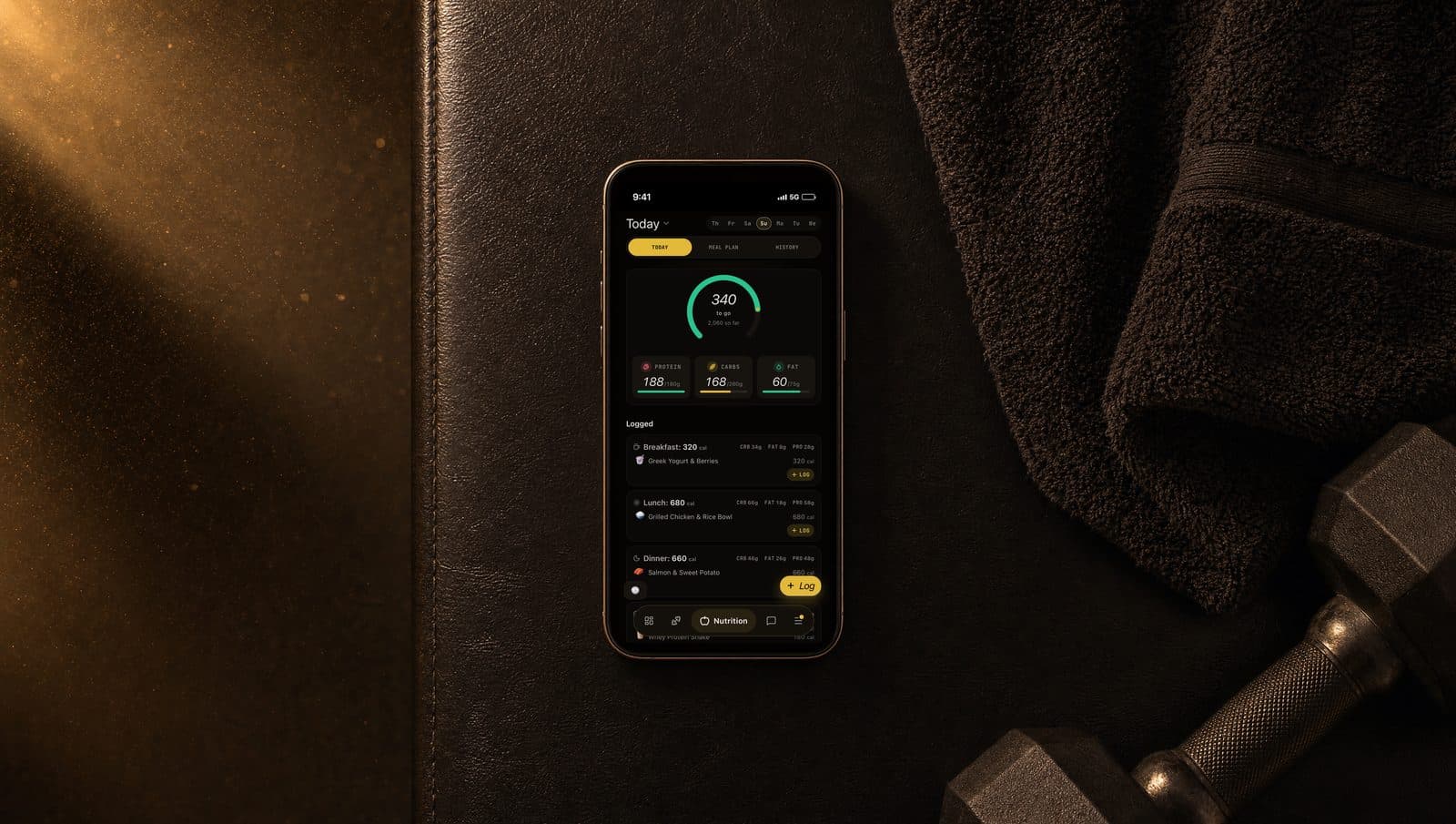
Your Meal Plan: Real Food, Real Macros, Zero Hallucinations
Most AI meal plan generators have a problem you can't see.
They ask a language model to invent recipes. The model makes up the calorie counts. The "grilled chicken salad" says 450 calories the first time and 620 calories the next time the same model generates the same recipe.
That's not a meal plan. That's a guess in a trench coat.
This one works differently. Every meal in your plan was picked from a pre-validated catalog where every item has macro data verified against the FatSecret food database. When the engine picks a meal, the calories and protein are real. You can trust the number on the screen because someone already checked the receipt.
Meal Plans require Standard or Concierge tier. Here is exactly how yours gets built.
Catalog first, AI second
The pipeline does not start with the AI. It starts with the catalog.
Every meal in the catalog has locked-in macros: exact calories, protein, carbs, fat. Verified against FatSecret before the meal was ever made available to the engine.
The AI's job is selection, not invention. It picks from real items. It cannot invent a 200-calorie steak. It cannot hallucinate a recipe with the wrong protein count. The numbers it shows you are the numbers from the catalog row.
This gives you four things:
- Real numbers. Calories and macros are verified.
- Real food. Every meal is something you can actually find, buy, or cook.
- Consistent math. "2 McDoubles" is always 800 calories and 46 grams of protein. Every time.
- Auditable selections. Every choice traces back to a known catalog entry.
The engine can stack multiple items in one meal slot or scale quantities up to hit a target. If a single breakfast doesn't get you to your protein floor, the engine adds a shake on the side. The math has to work.

How your macros drive selection
The pipeline doesn't just keep you under a calorie cap. It targets specific numbers, and it enforces them as hard constraints.
Training days and rest days are different. The engine checks your workout schedule. Training days get higher carbs and slightly higher calories to fuel sessions. Rest days hold protein steady and pull back on carbs. Your Monday (leg day) and your Sunday (rest day) end up with meaningfully different meals.
Calories spread across the day. The engine allocates roughly 25% of your daily calories to breakfast, 30% to lunch, 35% to dinner, and 10% to snacks. You don't get a 200-calorie breakfast and a 1,800-calorie dinner. Energy stays steady throughout the day.
Protein is the non-negotiable. Two protein rules are hardcoded:
- Daily total protein must hit at least 90% of your target. A 180-gram target means no day in your plan finalizes below 162 grams.
- Each main meal must clear a per-meal protein minimum (your daily protein divided by your main meal count). Snacks have a separate floor of at least 10 grams.
Calories within a tight tolerance. Your daily total must land within plus or minus 8% of your target. On a 2,400-calorie plan, every day falls between 2,208 and 2,592. Tight enough to drive results. Loose enough that the engine can work with what's in the catalog.
Carbs and fat are matched approximately. They're secondary. The engine will never sacrifice calories or protein to perfect a fat ratio.
Your preferences are hard filters
This isn't a "gentle suggestion" system. Your dietary preferences are filters applied before the AI ever sees a list of candidate meals.
Diets supported: vegan, vegetarian, pescatarian, keto, paleo, and a healthy-options-only filter.
Allergens you can exclude: dairy, gluten, nuts, soy, eggs, shellfish, fish, peanuts, sesame, wheat.
Cooking style: home cooking, heat-and-eat, no-cook, fast food, premade. Pick the ones that fit your life.
Cuisine: American, Mexican, Asian, Italian, Mediterranean, and more.
Meal count: 3 to 5 meals per day including snacks.
If you're a vegan with a nut allergy who only eats no-cook meals, the catalog gets filtered down to vegan + nut-free + no-cook items before the engine begins picking. You will never see a meal you cannot eat.
The 14-day variety rule
Eating the same chicken-and-rice bowl every day is nutritionally fine and psychologically punishing.
Before generating each day, the engine pulls your meal history from the last 14 days. Every meal you've eaten in that window is excluded from candidate selection. The catalog gets filtered down to "meals you haven't seen in two weeks."
The rule also applies within the week being generated. As the engine builds Monday through Sunday, it tracks what it has already selected and excludes those choices from the rest of the week. You will not see the same dinner on Tuesday and Thursday.
One additional quality rule for fast food: within a single meal slot, the engine picks from one restaurant only. No mixing a McDonald's burger with a Chick-fil-A sandwich in the same lunch. Adding a side from a different brand (a snack or shake) is fine. Stacking entrees across brands is not.
What happens when something fails
The pipeline is built so you always get a plan, even if the AI service hiccups.
Path one: AI-powered selection. The primary path. The engine reasons through each meal slot, calls catalog search, checks your meal history, tracks the running macro budget. This produces the highest-quality, most personalized plan.
Path two: deterministic assembly. If the AI generation times out or fails, the system falls back to an algorithmic assembler. Same catalog. Same macro targeting. Same variety rules. The selections are slightly less creative but the math still works.
You will never open the Meal Plan tab and find it empty because of an API hiccup. The fallback runs without external dependencies.
Your grocery list builds itself
Once all seven days are assembled, the system generates a consolidated grocery list from every non-restaurant meal.
Three recipes that need chicken breast become one line item with the combined total. Quantities aggregate. Duplicates collapse. Restaurant meals are excluded because you'll buy those at the counter.
The list is sorted for easy shopping. Tap it open before you walk into the grocery store.
What to do next
Open the Meal Plan tab. Generate your week if you haven't already.
Read the macros at the top of any day. Check that your daily protein number matches your target. If it doesn't, the engine couldn't get there with your current preferences (probably too many allergen exclusions in combination). Loosen one filter and regenerate.